Each of the technical or techno-economic projects described below is the result of reflecting on real-life issues in various areas of societal activity that happened to come into my field of view. These projects represent technical responses aimed at addressing and resolving those issues.
A Revolutionary Invention during Military Studies
In 1988, I graduated from the Ryazan Higher Military Automobile Engineering School, becoming the first cadet in its history to secure an author’s certificate for an invention in the USSR: “Control System for Diesel Engines and a Mechanical Stepped Transmission” (№ SU1676852A1). This invention laid the foundation for the development of a robotic manual transmission and diesel engine control systems.
After graduation, I was assigned to the Research Institute for Mobility Systems of Armaments in Bronnitsy, Moscow region, where I served as a junior researcher and commander of an automotive testing platoon.
The need for an automated manual transmission arose from the operational challenges faced by Soviet forces during the Afghan conflict. Soldiers struggled with prolonged manual gear-shifting on rugged mountain roads, leading to high levels of fatigue. Existing automatic transmissions with torque converters, manufactured abroad, were inefficient and unreliable under heavy loads. My invention combined the efficiency of manual gearboxes with the reliability required for demanding conditions.
Though the Soviet Union dissolved before this innovation could reach its full potential, the idea anticipated future trends. Western automakers began mass adoption of robotic manual transmissions in the mid-2000s. Unfortunately, upon my return to Ukraine, projects of this nature were not a priority at the time.
Fueling Ukraine’s Industrial Renaissance
In 2005, following my participation in the Orange Revolution as a member of Viktor Yushchenko’s campaign team in Luhansk, I was appointed advisor to the Head of the Luhansk Regional Administration. During this time, I developed the “Project for Producing Synthetic Motor Fuel from Donetsk Coal Basin Resources.”
This project aimed to revitalize the economically depressed Donetsk region by creating a high-tech industrial cluster, generating significant added value and fostering social stability rooted in Ukrainian identity. Although it secured international financing and was poised to become the largest investment project in Ukraine’s history, its implementation was halted due to a lack of political will from the country’s leadership.
Reinventing Bicycle Transmission Systems
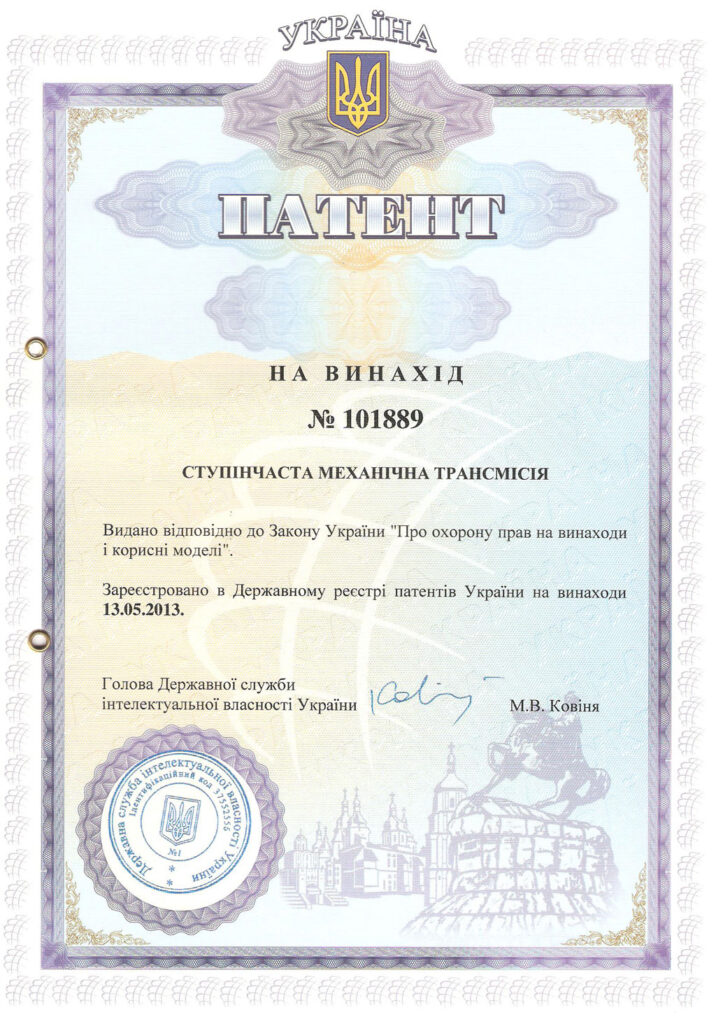
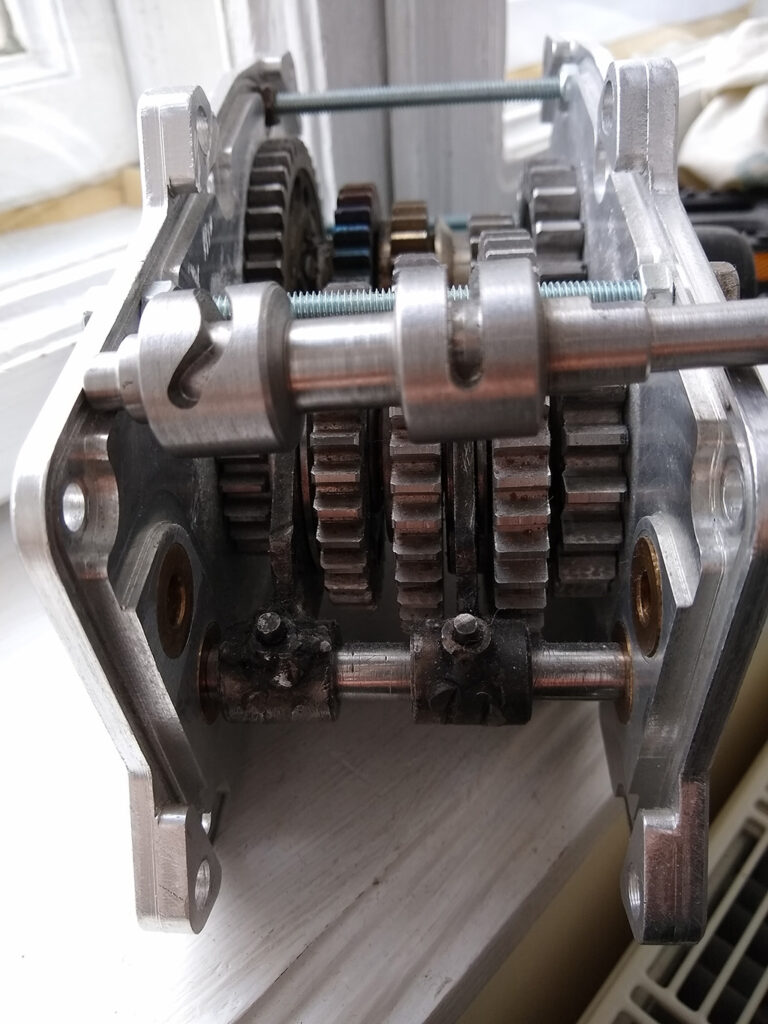
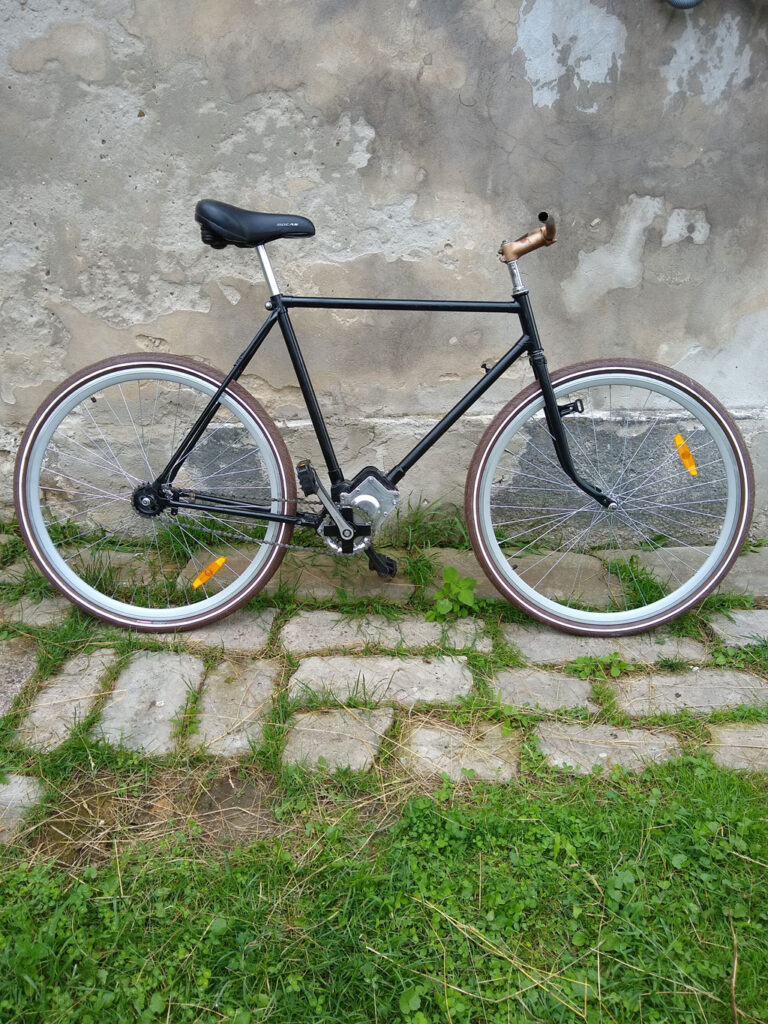
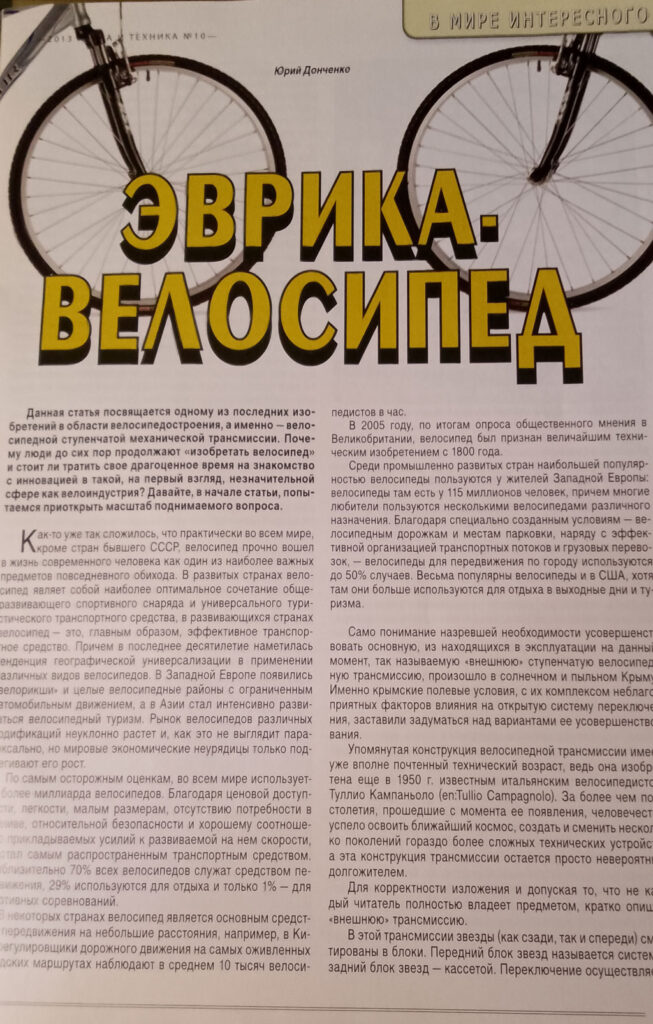
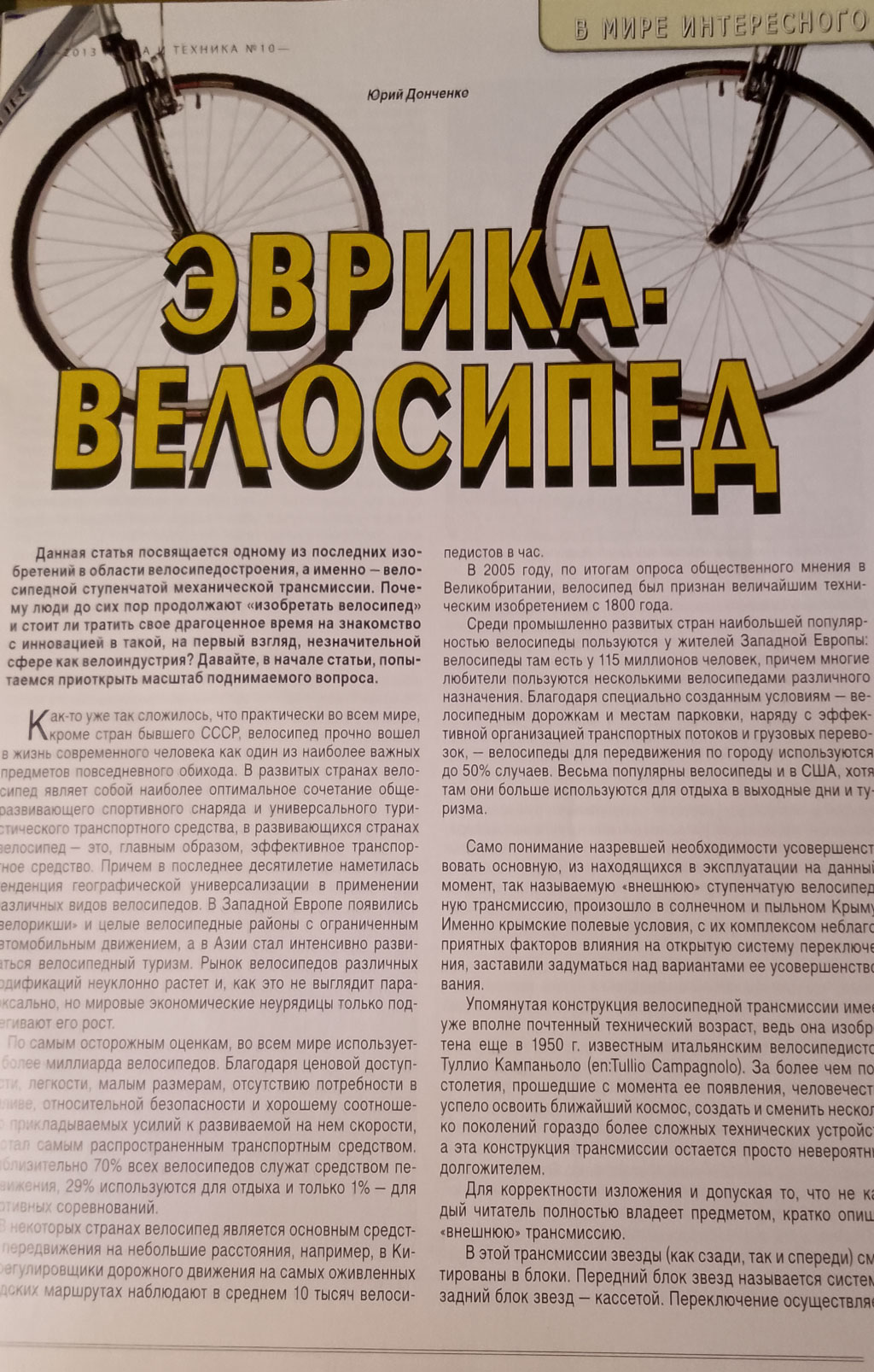
In 2013, I patented a simple, reliable, and convenient bicycle transmission, “Stepped Mechanical Transmission” (№ 101889, May 13, 2013).
The idea emerged from personal experiences during cycling tours under harsh conditions—mud, sand, and water often damaged the drivetrain. The invention focused on creating a protected and durable transmission system, particularly for affordable city, touring, and cargo bicycles.
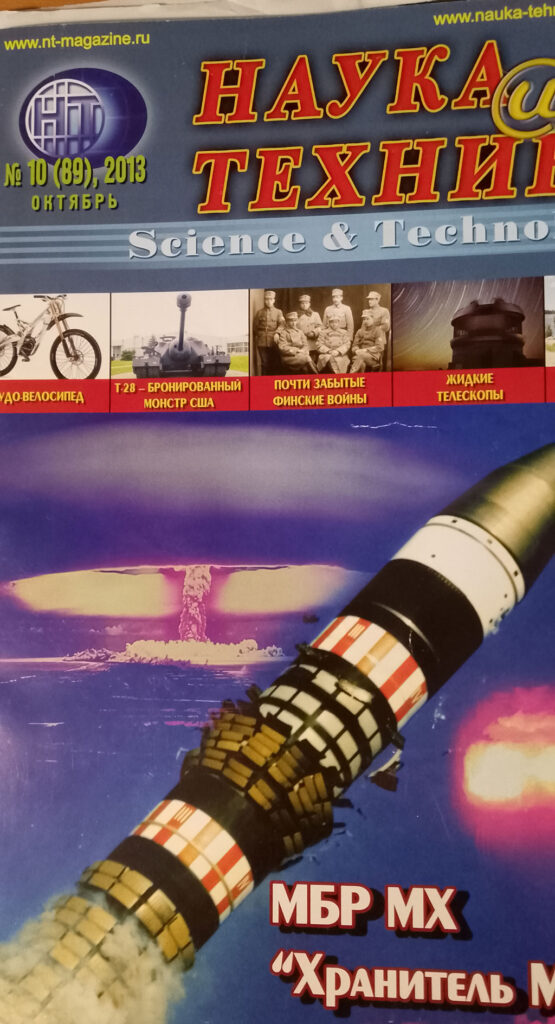
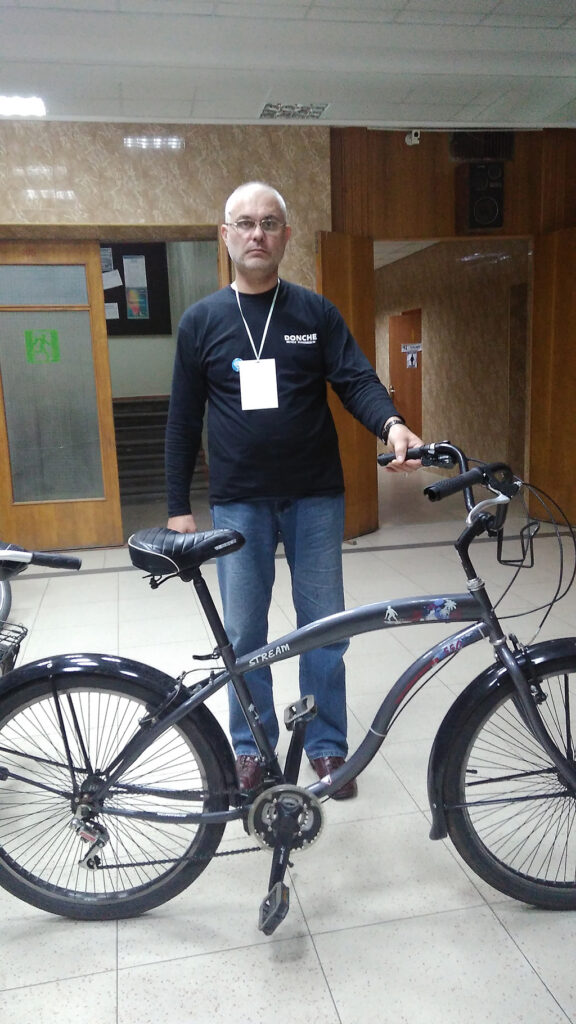
Two prototypes were developed: a two-speed prototype in 2013 and a four-speed fully functional version later. Testing confirmed its robustness and suitability for heavy loads. The invention was praised in Science and Technology magazine (Issue 10, 2013), emphasizing its market potential and innovative design. Translated article download on PDF here.
Developing a Combat Support Vehicle Inspired by War
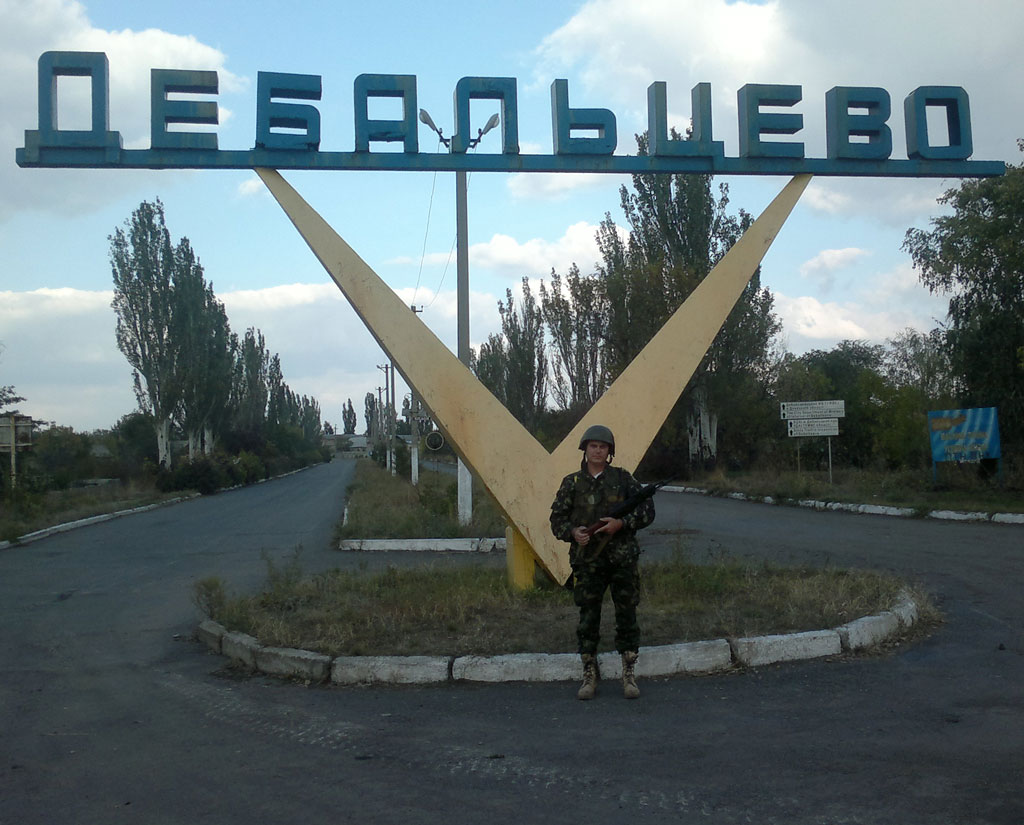
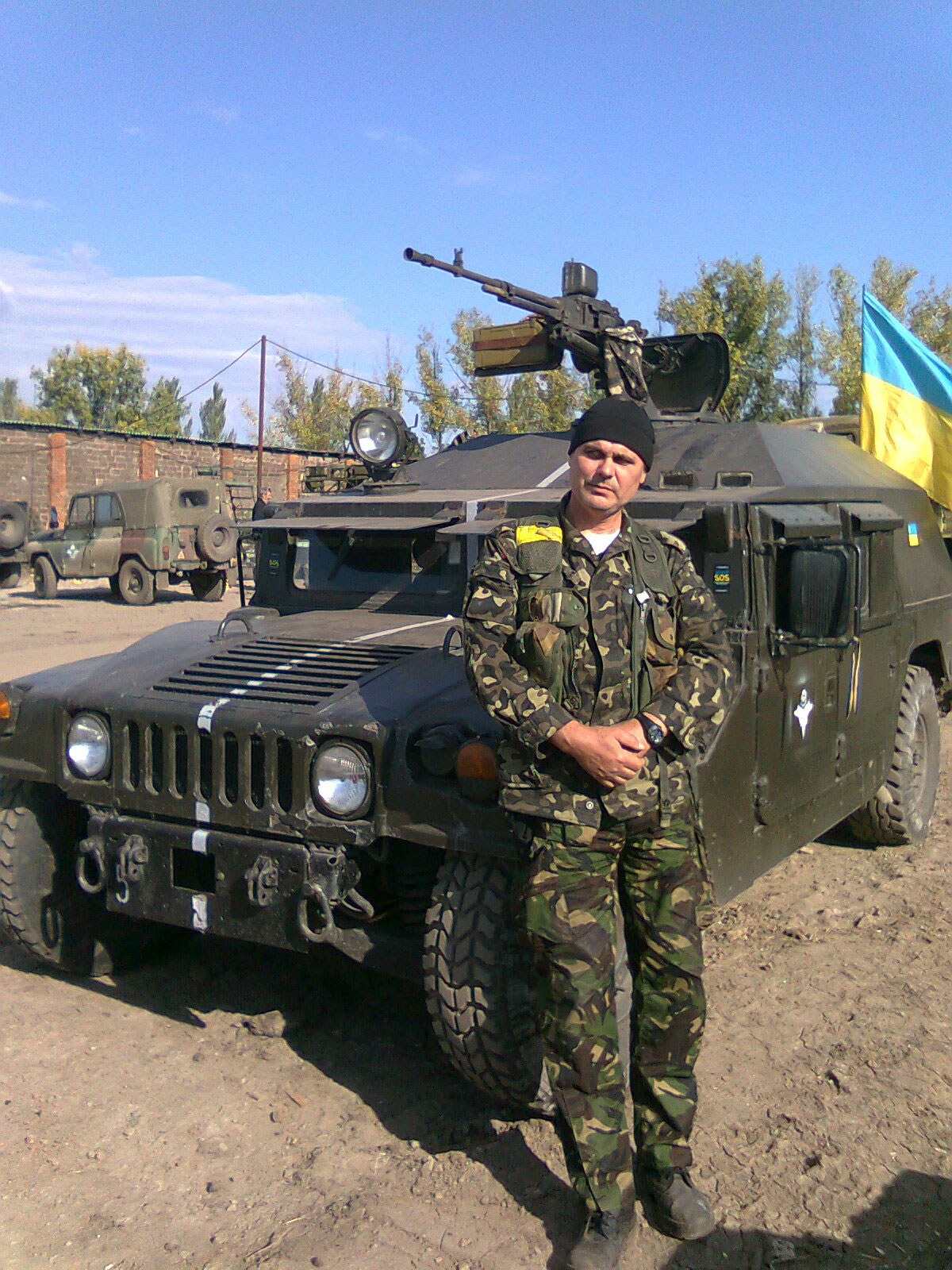
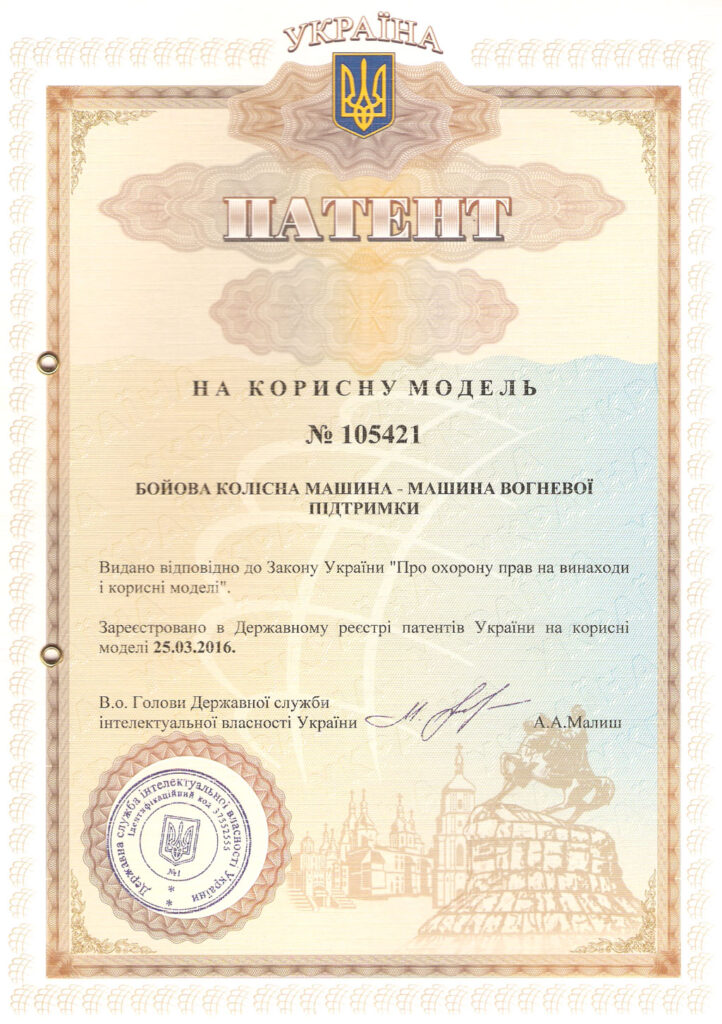
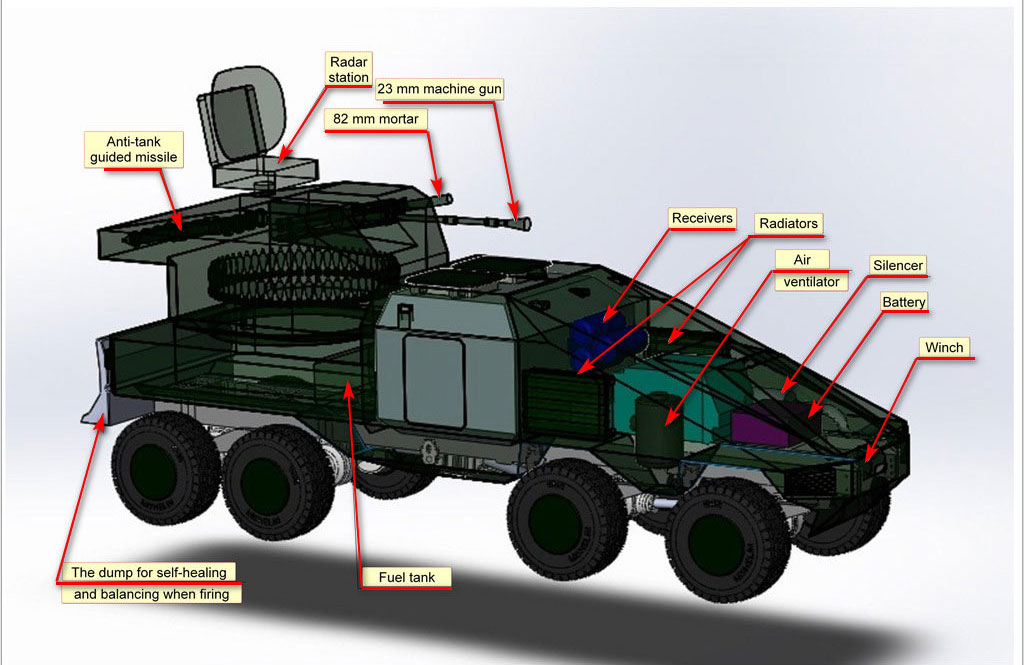
From June 2014 to July 2015, I voluntarily joined the Armed Forces of Ukraine, serving as Deputy Battalion Commander for Armament in the Kyivska Rus Battalion. My experiences in the Anti-Terrorist Operation (ATO), particularly during the defense of Debaltseve, inspired me to create the “Combat Support Vehicle” (Patent № UA105421U, March 25, 2016).
The vehicle’s design and armament were informed by real combat scenarios. Despite international success with similar vehicles, Ukraine lacked this type of weaponry, which could significantly enhance tactical superiority and save countless lives on the battlefield. The need for such innovations has been reaffirmed by the ongoing full-scale war in Ukraine.
A New Era in Aviation
My latest invention involves a novel “Method of Arranging Propeller Engines on Multi-Engine Aircraft or Similar Vehicles,” focusing on small and business aviation within General Aviation (GA).
The project aims to create a twin-engine aircraft offering superior flight safety, simplified piloting, and fuel efficiency. These features make it competitive in the GA market while expanding its reach to unmanned aerial vehicles (UAVs) and other applications. The innovation has the potential to redefine standards in this segment, attracting a broader audience through user-friendly and cost-effective solutions.
Propeller Engine Arrangement Method for Multi-Motor Aircraft
In recent years, I developed a project focused on the optimal placement of propeller engines for multi-motor aircraft, with particular application in small and business aviation. The concept is rooted in General Aviation (GA), which encompasses non-commercial and non-regular air operations.
This project aims to create a twin-engine aircraft with groundbreaking advantages in flight safety and pilot control. By ensuring superior fuel efficiency and operational economy, this innovation targets a significant portion of the GA market. Furthermore, it opens new opportunities by simplifying piloting, which could attract more potential users.
The design leverages advanced aerodynamic principles to enhance engine placement and reliability. This ensures operational stability, even in the event of partial engine failure. The project represents a potential leap forward for both piloted and unmanned aerial systems (UAS).